
How to recognise a wolf
European wolf characteristics
& wolf track identification
The difference between wolves and dogs aren’t always easy. Here you ‘ll find the basics on how to recognise a wolf, both from sightings and information on wolf track identification. I start off with a little video of a lone wolf moving through my area in Belgium.
How to identify a European wolf (Canis lupus)
The grey wolf is returning to many places in Europe. Let’s talk about how to identify a wolf in Europe. Wolves come in a variety of colours and sizes, from black all the way to white. They can be found across the whole Northern hemisphere. In this blog, I’ll concentrate on the wolves in Europe and what to look for when you might have seen one.
First of all, chances are very slim you might ever see a wolf in your life. But you never know, they are on the rise. A wolf is actually a big dog. As there are a lot of different dog breeds, it’s not always easy to distinguish. Wolves are about 100 cm long from head to body and have a shoulder height of 80 cm. This is quite high in comparison with dogs. They weight between 25 and 50 kg. Big males can weigh up to 80 kg.
Let’s start at the face: The face has some different colours and is rich in contrast, but one of the characteristics are the black lips surrounded by white fur (mask). Ears are straight up and a bit further apart from each other. Furthermore, the face is wider with roughly haired cheeks (in comparison to dogs).
Overall, a wolf has a less indented chest (compared to dogs) and has a stronger appearance. With this, I mean strong neck and chest, large legs, the back is a straight line (dogs are more bent down). Wolves also have a darker back, sometimes visible as a saddle. But not as dark as a German Shepherd.
Another important feature is to look at the tail. The tail of a wolf is mostly down, without a bend, whereas dogs tend to have the tail high. A wolf’s tail is also bushy with often a black end.
The bigger picture
Looking at the bigger pictures, wolves often live in packs. A wolf pack consists of an alpha pair and their offspring. So if you are lucky, you might see more of them together. During Summer, wolves are found alone, in pairs or in smaller groups whereas in winter the whole pack gets together.
The territory size of a wolf or a wolf pack varies a lot. Territories can range from 50km² to 1000km² with an average of 200km² and are often related to prey density. Wolves can travel up to 60km per day, with an average of 10-12km. So this gives you an idea wolves are moving a lot and could be found in a variety of places. Pack size in Europe can go up to 15 individuals.
In Europe, wolves prefer to hunt for red deer and wild boar, but also take down roe deer and smaller mammals. They go for older individuals or juveniles or those in poor condition. Therefore, they are actually very important for keeping the ecosystem healthy.
Obviously, the biggest threat to wolves is persecution by humans. Across Europe, wolves have a protected status in most countries, but definitely not all. For example, Norway and Slovakia definitely have done some legal wolf hunting in the past.
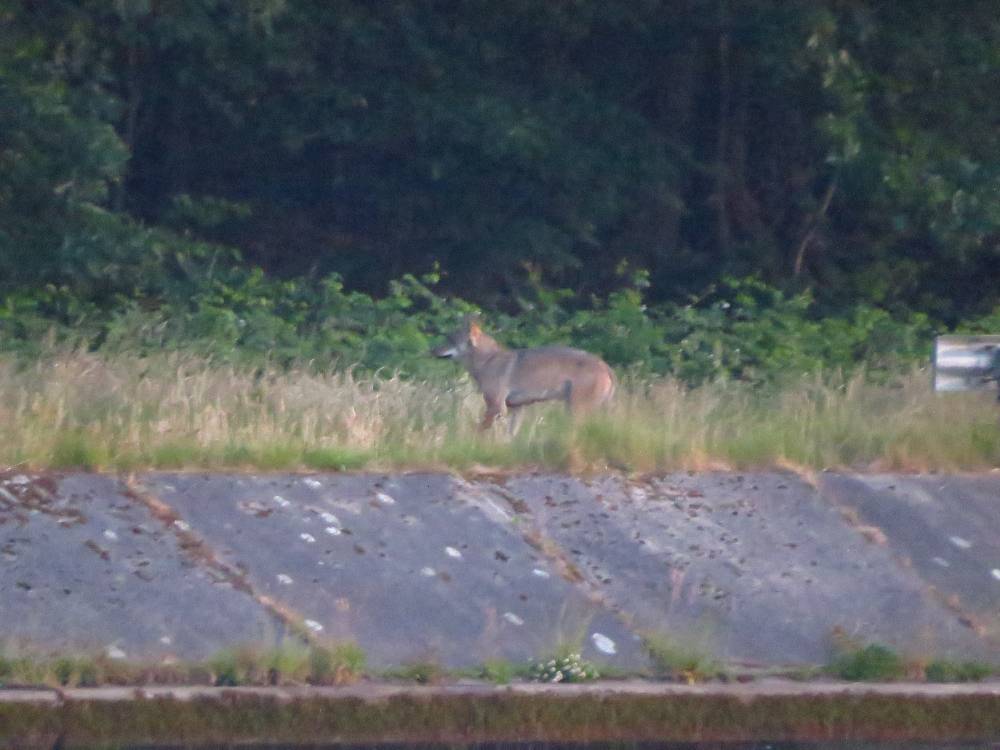
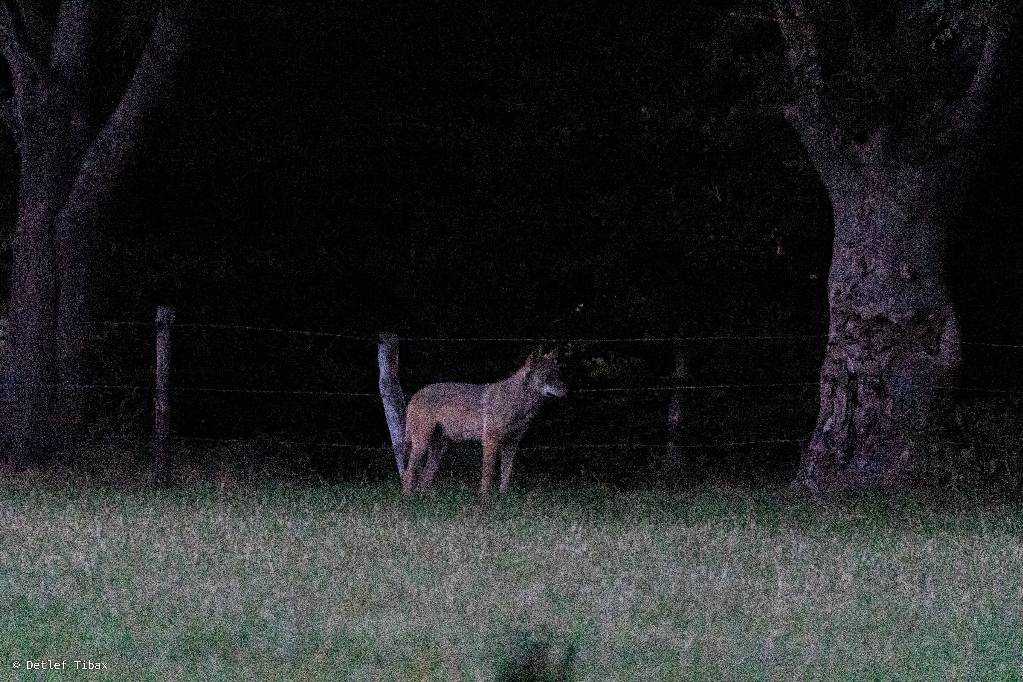
Check out Detlef’s new project on Instagram: Art 4 Wildlife. Besides a photographer, he’s also a great artist.
Wolf track identification
Identifying a wolf track is not always easy. As the wolf is making a comeback in different places of Europe, in this section I will give you some insights on how to recognise a wolf track. First of all, I want to point out wolves are avoiding people at all costs. Wolf attacks in Europe are scares in modern Europe.
With the above knowledge of the size of a wolf, it’s already a bit easier to imagine a track of a wolf. Tracks of a wolf look like dog tracks, but there are a lot of dog breeds out there. Wolf tracks are mostly larger. Roughly between 8 and 12cm long.
There are a couple of other features to look for to distinguish between wolf and dog tracks. First of all, they both have 4 toes and a heelpath. Whereas cats have retractable claws, members of the canid family or dog family have claws which are almost always visible in the tracks.
Most of my pictures are coming from snow tracking in Slovakia, but I added a couple of tracks in the sand as well.


wolf prints (and dog prints) also are more symmetrical in comparison with cat tracks. The track has an overall droplet-shape. The front toes in wolf tracks are more to the front and are elliptic. The 2 other toes have a more triangular shape. In wolves, those 2 front toes are often deeper pushed into the substrate compared to the rest of the print. Wolves are more running on their toe tips. This is more prominent in soft soils.
In general, the second row of toes overlaps more with the front toes in dogs, which means there is less negative space in dog prints.
Because the 2 front toes are more to the front, there is more ‘negative space’ in the centre of the wolf track. You could make a cross through the tracks (X-shape), whereas with dogs is said to be more an H-shape. Claws on toes 3 and 4 (front toes) are either pointed straight forward or pointed inwards.
There is a difference in front feet and hind feet, which is more prominent in wolves. The hind heelpath is more or less triangular and narrower. In the front feet, the heelpath is more ‘heart-shaped’.
Similar to other carnivore species, the front tracks are larger and wider and have a more roundish look. The hind feet are more oval and made for creating speed and power, whereas the front feet are more for stability as they need to carry more weight.
Looking at the bigger picture of the tracks…
When you are looking for tracks out in the field, it’s always good to keep an overview of the surroundings and the findings. Definitely, when the substrate is good, it’s worth to take a step back and look at the pattern of the tracks. It can reveal some behavioural insides. Wolves are more energy-saving animals. They run more in straight lines, as they have a purpose. Whereas dogs tend to just wander around more. Dogs care less about energy as they know they most probably get some food in the evening anyway. In deep snow, wolves are even going to walk in each other’s footsteps in order to consume less energy. This might be another clue if you see one track changing into a couple of tacks and get all into one track again.
It’s good to look out for tracks on sandy paths, and definitely check on crossings of roads and paths.
Other wolf signs
Did you know wolves have very powerful jaws and are actually able to crush bones? If you ever found a potential kill site from wolves, crushed bones are one of the characteristics. There are other signs, but this will be too much for this basic blog post.
How to increase your chances of seeing a wolf?
To end this blog, I will talk a little bit about how to increase your chances of seeing a wolf. As mentioned before, wolves walk around a lot. So, you can increase your chances by finding yourself an advantage point which overlooks a larger area. Preferable this area is undisturbed.
Another way to increase your chances is by learning about the tracks and signs of wolves. Although in the field it’s often quite hard to distinguish between a wolf and large dogs. But bringing all different clues together can lead to a successful sighting.
Conclusion
Obviously, there are a lot of different dog breeds, with some very close to wolves. It’s not always possible to tell the difference. With this article, I hope you get a basic idea of what and where to look for in the field. If you are interested in tracking, check out the track and sign page.
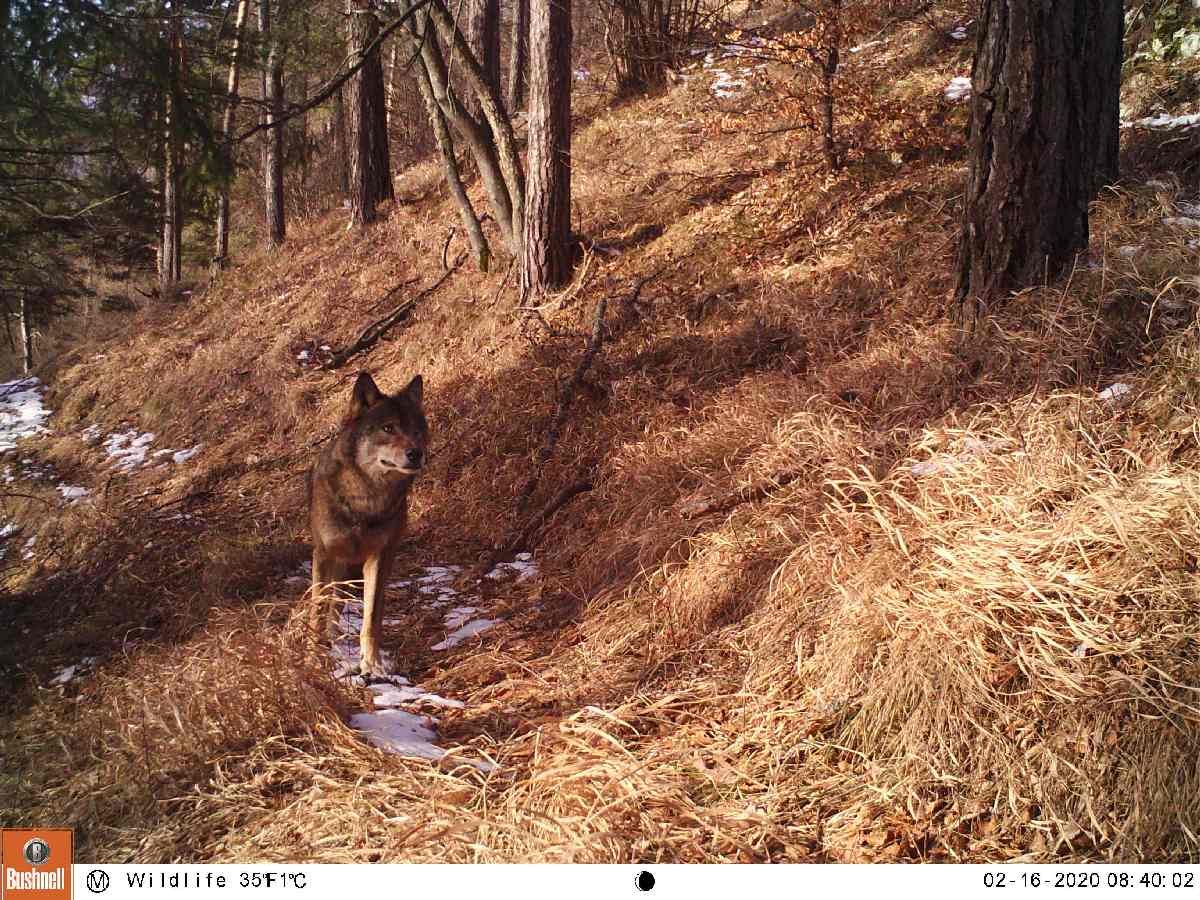
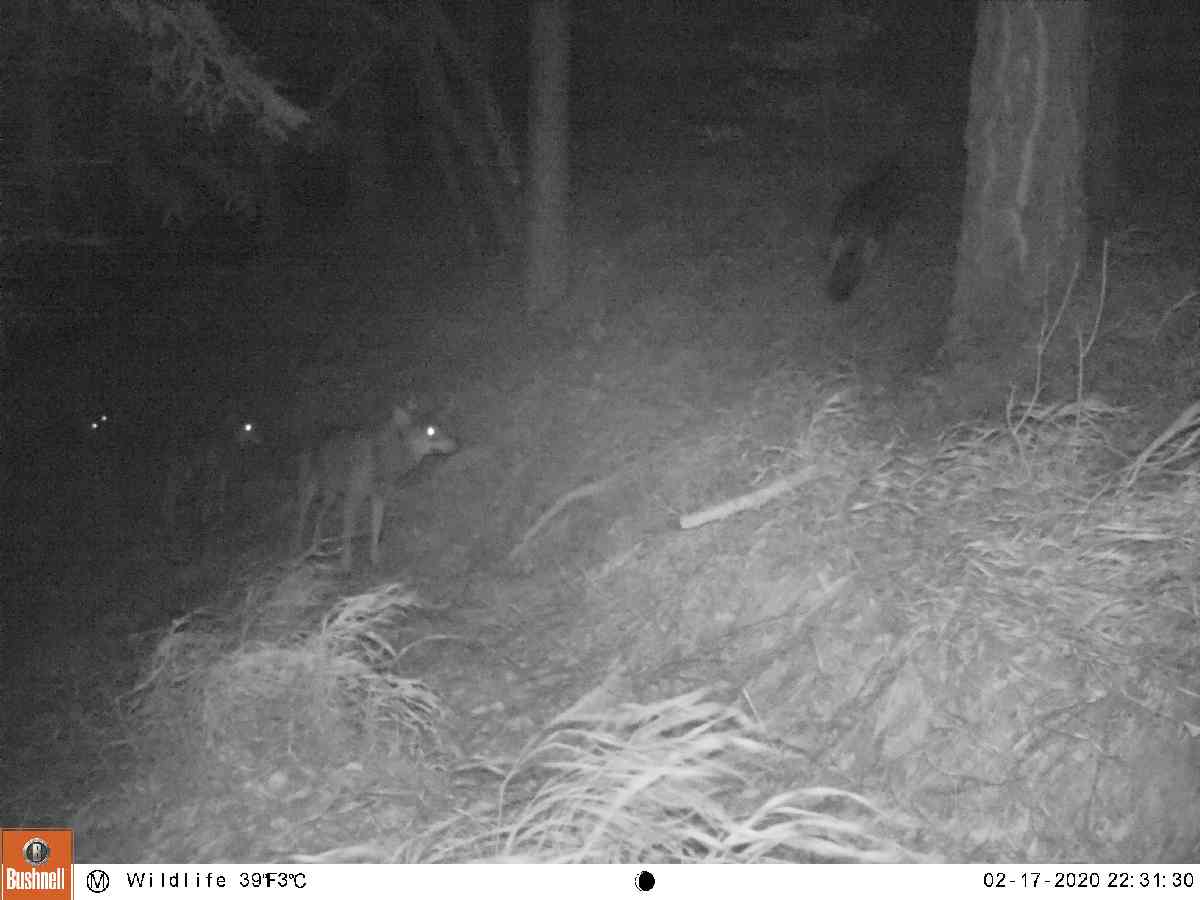
I’ll link some other videos and blog posts in the description: such as the video when I went looking for wolves in Germany, it was a great success! And last winter we had great footage of wolves on our camera traps in Slovakia.

Wildlife Impulse
Wildlife Impulse started as a blog to share experiences in the world of nature awareness and wildlife conservation.
Wildlife Impulse want to inform you about wildlife in different ways. Explore our website to learn more about it.


